International Transport: How One Delay Disrupts the Entire Schedule
Monika Pach | Zuzanna Malek
Published 21.04.2026
4 min reading time
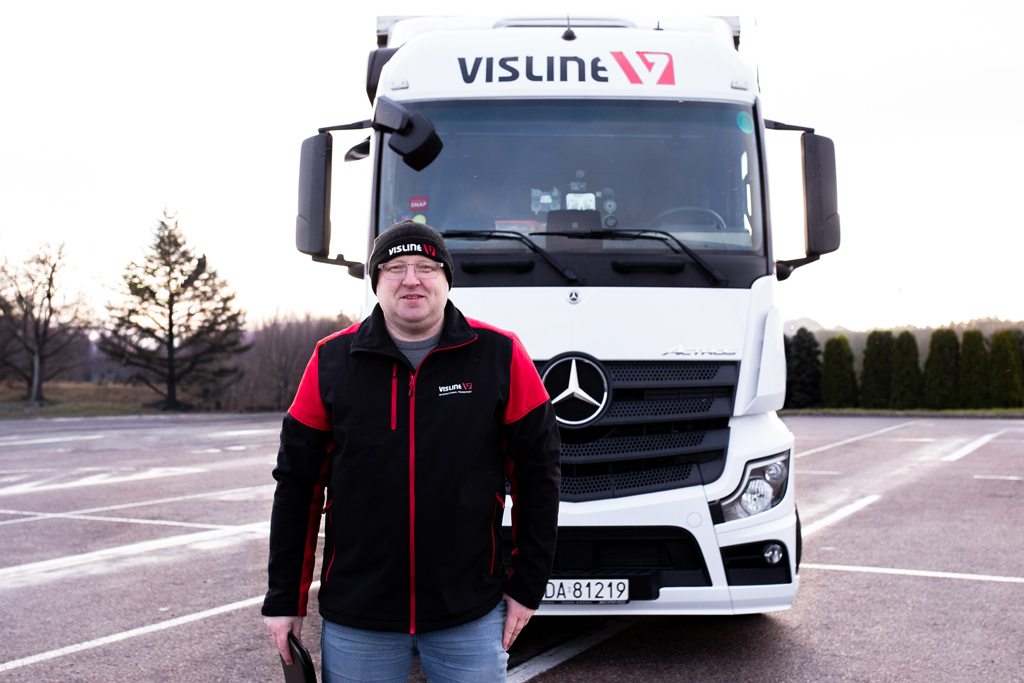
In logistics, time is not just money – it’s a complex puzzle where removing one piece paralyzes the entire system. In international transport, the margin for error is shrinking every year, and upcoming regulatory changes for 2026 will make delivery planning even more challenging. As a company experienced in serving EU and UK markets, we demonstrate with real numbers why a 2-hour delay can turn into a 24-hour loss.
Table of Contents
The Domino Effect in Logistics – Why Do We Lose a Full Day?
A delay on the route triggers a domino effect because the driver is constrained by strict working time regulations (tachograph), warehouse time slots, and the operating hours of customs offices and ferry crossings.
Warehouse Time Slots (Fix-Termins)
Most distribution centers in Europe operate on scheduled time slots. If a truck is delayed by even an hour – due to traffic, for example – the warehouse may refuse to accept the goods that day and reschedule unloading for the next morning.
Driver Working Time and Mandatory Rest
A driver cannot “make up” lost time by breaking regulations. If, for example, due to a delay at a warehouse, the driver is 15 minutes short of reaching the destination but has run out of driving time, they must stop for a mandatory 9- or 11-hour rest. At that point, the delivery is already delayed by an entire night.
Vehicle Comparison: Van Transport, Solo Trucks, and FTL in Light of 2026 Changes
The key difference lies in the vehicle’s ability to access city centers and the new tachograph regulations for vans, which from July 2026 will significantly change the dynamics of express deliveries.
Van Transport (up to 3.5t) – The End of “Wild” Express Runs
Until recently, vans bypassed many restrictions. From July 2026, vehicles in international transport with a GVW of 2.5 to 3.5 tonnes will be required to have tachographs.
- Effect: Van drivers will have to follow the same rest rules as truck drivers. The era of “non-stop” runs to London is over.
- Advantage: Vans can still access locations where heavy trucks cannot.
Solo Trucks (7.5t) – The Urban Compromise
Solo trucks are ideal when goods must reach near city centers but exceed van capacity. Their advantage is mobility, which 13.6t truck combinations lack.
FTL Transport (13.6t) – A Giant on the Outskirts
Full truckload (FTL) offers the lowest cost per pallet but carries the highest logistical risk in urban areas.
- No entry: A 13.6t truck often cannot enter city centers, pedestrian zones, or narrow commercial streets without special (hard-to-obtain) permits.
- Risk: Transshipment to a smaller vehicle is often required, generating additional costs and delays.
New 2026 Regulations: What Exporters Need to Know
Regulatory changes (mandatory tachographs in vans 2.5t–3.5t) mean that international transport planning must be based on realistic transit times rather than optimistic assumptions.
- End of underpricing: Vans will no longer be 50% faster than trucks on long routes.
- Rising costs: Every driver stop generates costs. Manufacturing companies must account for longer delivery times in their just-in-time supply chains.
- Greater importance of buffer warehouses: Since time cannot be “made up,” it’s worth keeping stock closer to target markets.
How to Protect Your International Transport from Delays?
The key is selecting the right vehicle for the delivery location and precise planning of customs clearance (especially for UK routes).
- Check the destination postcode: If it’s central Lyon, Milan, or London – avoid FTL. Choose a solo truck or van transport to prevent costly transshipments.
- Plan tachograph buffers: After July 2026, always add at least 10–12 hours per transport day for international van transport.
- Work with an experienced forwarder: We don’t just arrange transport – we analyze routes for roadworks, weekend bans, and ramp availability.
Summary
Logistics is a high-stakes game, and 2026 regulations introduce new limits. Choosing between a van, solo truck, and FTL is no longer just about price – it’s about physical accessibility and the real working time of the driver.
Want to Avoid the Domino Effect in Your Deliveries?
Contact our expert. We’ll analyze your supply chain and prepare a transport plan that accounts for upcoming legal changes and the specifics of urban infrastructure across Europe.
Transport tailored to your needs – talk to our freight forwarder.


Read also
-
16 July 2026
Overloading a Truck in International Transport: Consequences for Carriers and Freight Forwarders
-
25 May 2026
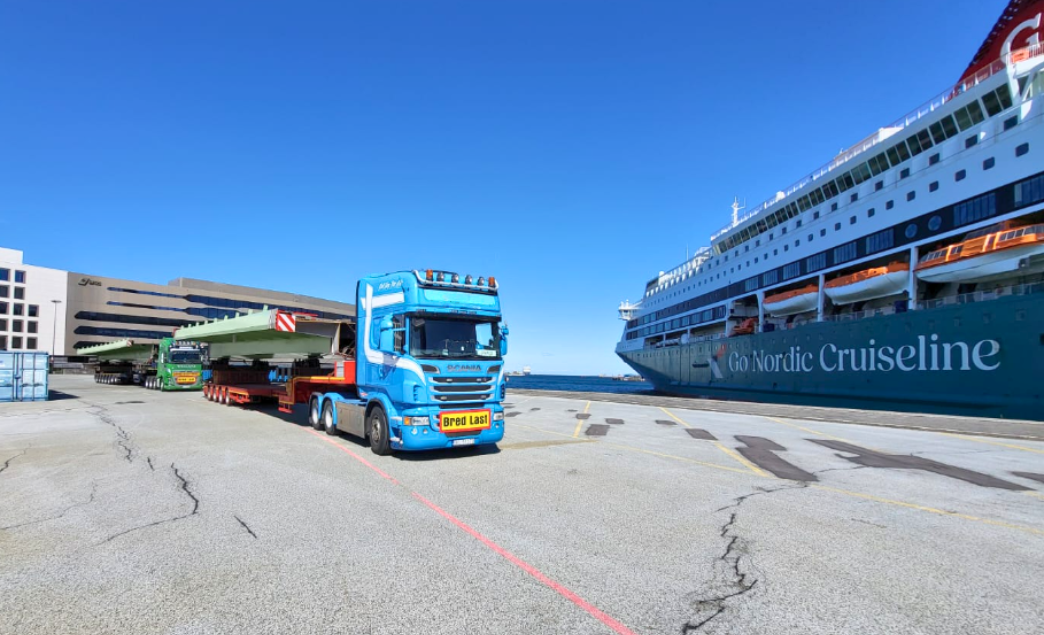
Visline Special Operation: How Do You Fit a 200-Meter Bridge onto Trucks? [case study]
-

07 May 2026
International transport UK-EU-UK: A complete guide to procedures, systems, and documentation in 2026.