International Transport: Vans, Solo Trucks, or FTL? Comparing Delivery Time and Urban Accessibility (2026)
Dawid Zielonka | Zuzanna Malek
Published 28.04.2026
4 min reading time
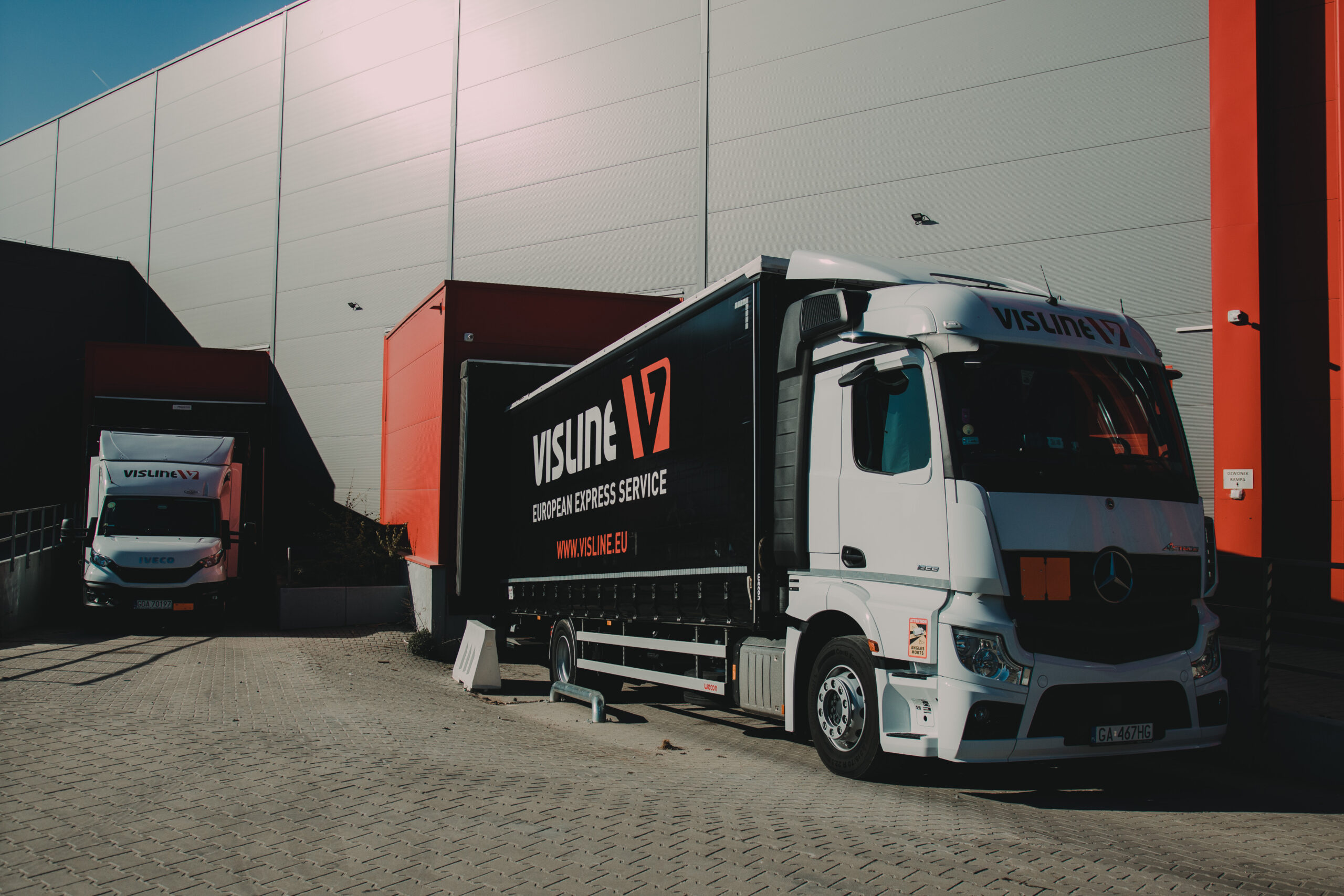
Logistics in 2026 is no longer just about fighting for the lowest rate – it is primarily about availability and on-time delivery. As a transport company, we have noticed that infrastructure limitations in cities and upcoming legal changes are often overlooked. Below, we analyze why vehicle size matters not only on highways, but also on the “last mile.”
Table of Contents
Urban Accessibility: Solo (7.5t) vs FTL (13.6)
The main advantage of Solo trucks (7.5t) over FTL trailer combinations (13.6) is their mobility in urban areas. In many cases, a 13.6-meter truck with a trailer can enter cities or construction sites, but it requires special destination-entry permits, and it must be remembered that it may simply not fit everywhere. This is not an issue for Solo vehicles.
Why Can’t FTL Trucks Access Every Location?
Large truck combinations with a total length of approximately 16.5 meters require a huge turning radius and roads with adequate load capacity.
- Weight restrictions: Many bridges and local roads have limits of 10–12 tons.
- City centers and pedestrian zones: Deliveries to stores located on prestigious streets are physically impossible for 13.6-meter trailers. In such cases, Solo trucks or transshipment to vans are essential.
- Unloading infrastructure: Small warehouses or loading ramps in older buildings cannot accommodate large trailer combinations.
Meanwhile, Solo trucks combine high payload capacity with dimensions similar to garbage trucks or municipal vehicles, allowing them to maneuver more efficiently in urban environments.
The 2026 Revolution: Changes to Van Drivers’ Working Hours
Starting in July 2026, international transport using vehicles with a GVW between 2.5 and 3.5 tons will be subject to mandatory tachographs. This means the end of the era of “express vans” operating without breaks and a significant equalization of delivery times between vans and heavy trucks.
What Will the New Regulations Change (Mobility Package)?
Under the new regulations, van drivers will have to comply with strict rules:
- Mandatory breaks: A compulsory 45-minute break after 4.5 hours of driving.
- Daily rest periods: Regular overnight rests of 9–11 hours.
- Business impact: Delivery times for vans on routes such as Poland–United Kingdom will increase by approximately 12–18 hours, bringing them closer to heavy freight transport standards.
Comparison: Mobility vs Time vs Payload Capacity (2026 Outlook)
| Feature | Van (up to 3.5t) | Solo (7.5t) | FTL Truck (13.6) |
| Access to city centers | Easiest (similar to a passenger car) | Possible (often with permits) | Highly restricted / prohibited |
| 2026 Regulations (Tachograph) | Mandatory from July 2026 | Mandatory | Mandatory |
| Estimated delivery time (1500 km) | Approx. 36–40 h (after changes) | Approx. 48–60 h | Approx. 60–72 h |
| Route flexibility | High | Medium | Low (fixed corridors) |
Transport to the United Kingdom After the Regulatory Changes
Exports to the UK will become a logistical challenge not only because of customs procedures, but also due to accumulated driver working time spent on ferries and in customs clearance queues.
How to Plan Transport in 2026?
- For small shipments: Vans will remain the fastest option (due to the lack of weekend driving bans), but their costs will increase because of reduced driver time efficiency.
- For urban deliveries: If your consignee is located in central London or Paris, plan transport using vans, Solo trucks, or a “cross-docking” service (transshipment from FTL to a smaller vehicle near the city).
- For FTL transport: Choose this option for large shipments, ideally on warehouse-to-warehouse routes.
Summary and Expert Recommendations
Choosing the right transport solution in 2026 will require deeper analysis than ever before:
- Remember the tachographs: Vans will no longer operate as “super-express” vehicles running 24/7.
- Verify the unloading location: Do not send an FTL trailer to places where even a delivery van barely fits.
- Combine international and local transport: In many cases, the cheapest and fastest solution is to deliver goods to a hub outside the city using an FTL trailer, and cover the final 10 km with a van.
Want to Prepare Your Transport Strategy for the Changes in 2026?
Feel free to contact our freight forwarders. We will help you optimize your supply chain while taking into account the new regulations and the specific needs of your customers across Europe and the United Kingdom.
Order a free logistics consultation.


Read also
-
16 July 2026
Overloading a Truck in International Transport: Consequences for Carriers and Freight Forwarders
-
25 May 2026
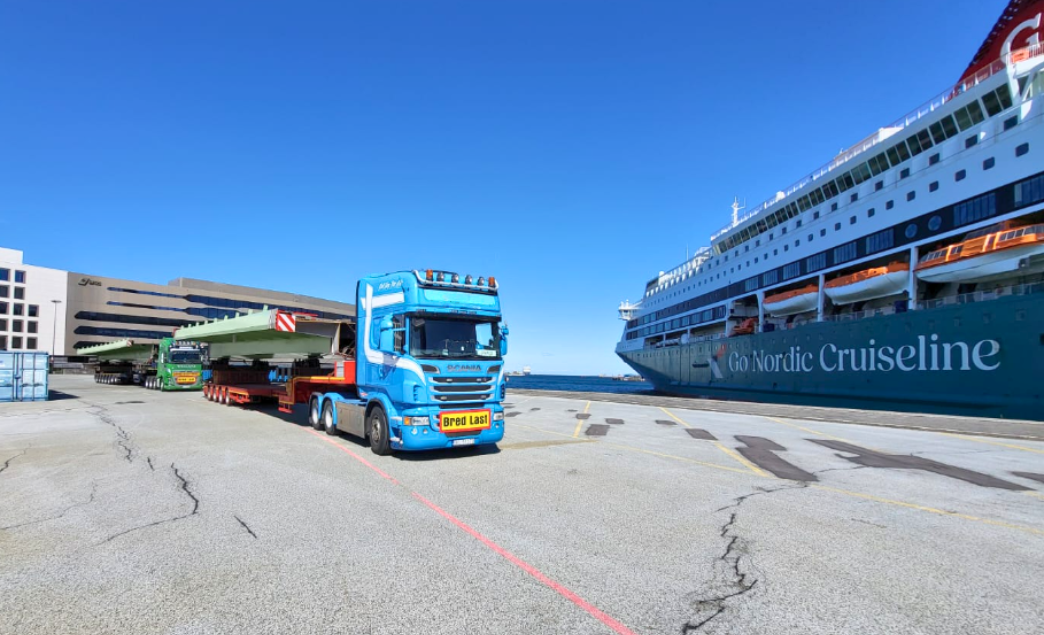
Visline Special Operation: How Do You Fit a 200-Meter Bridge onto Trucks? [case study]
-

07 May 2026
International transport UK-EU-UK: A complete guide to procedures, systems, and documentation in 2026.