Fuel Crisis and the Transport Industry: How to Survive Record Price Increases in 2026?
Dorota Wałaszewska | Zuzanna Malek
Updated 16.04.2026 | Published 14.04.2026
4 min reading time
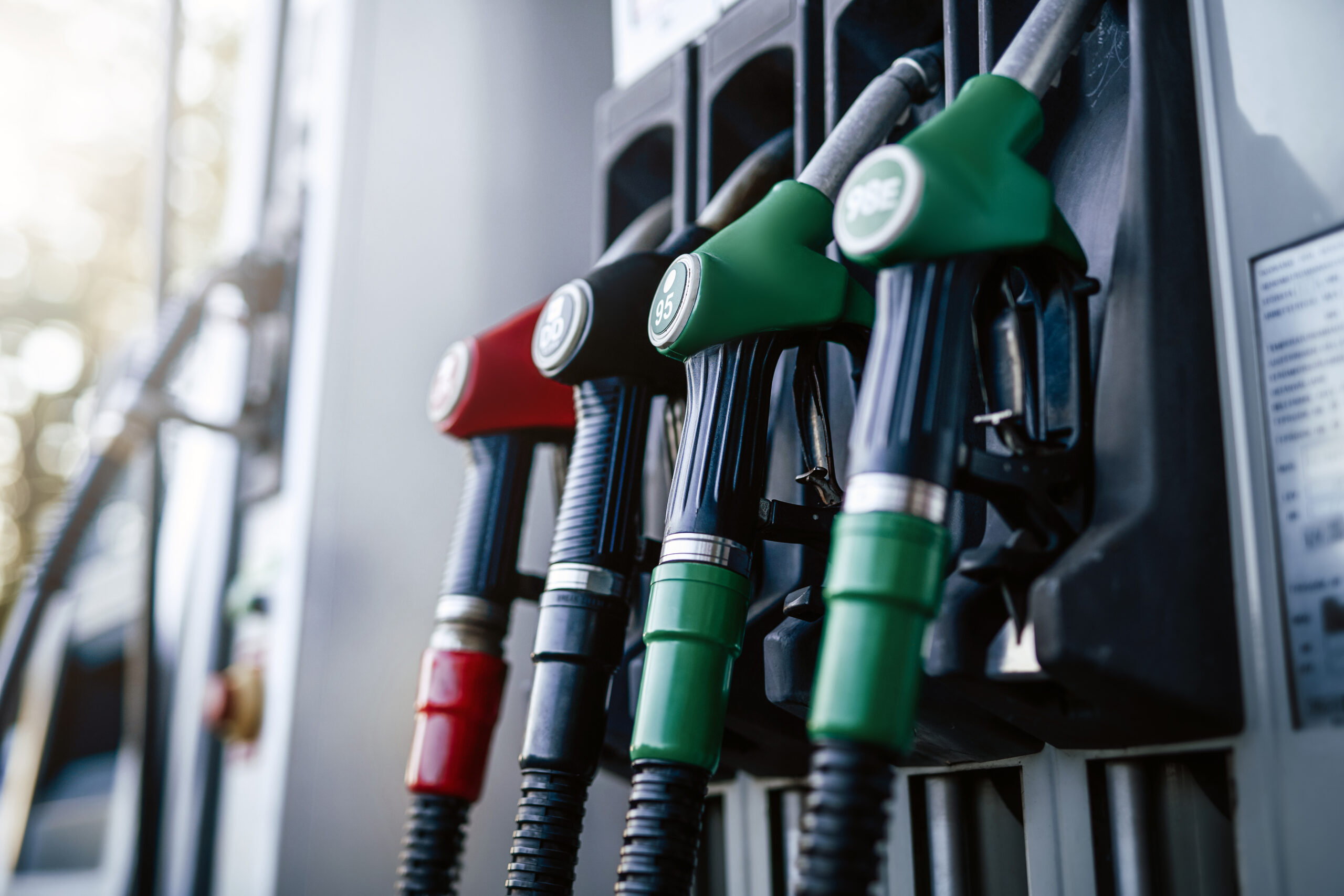
The situation on the fuel market in March 2026 has ceased to be merely a challenge and has become a key factor determining the survival of many transport companies. According to industry reports, including data from Intermodalnews.pl (23.03.2026), operating costs in road transport have increased by several dozen percent year-on-year. As your logistics partner, we don’t sugarcoat reality – the situation is difficult, but there are concrete mechanisms that allow this risk to be managed.
Table of Contents
Current situation on the European fuel market (March 2026)
The fuel crisis in 2026 is the result of accumulated geopolitical tensions and a drastic reduction in raw material supply, leading to the highest diesel and gas (LNG/CNG) prices in the history of European transport.
Statistics and market facts
According to analyses from March 23, 2026, the European transport industry has reached a critical point.
- Cost increase: The share of fuel in total TCO (Total Cost of Ownership) for carriers has exceeded 45–50%.
- Price indexation: Most freight forwarding companies have had to switch to weekly rate updates, moving away from annual contracts.
- Margin pressure: Exporters of low value-added goods (e.g., furniture, construction materials) are hit the hardest, as transport costs significantly increase the final product price.
Fuel surcharge (BAF) – your defensive mechanism or a threat?
BAF (Bunker Adjustment Factor) is an automatic mechanism that adjusts transport rates based on fuel price fluctuations on commodity markets. It enables transparent settlements between shipper and carrier in times of high volatility.
How does BAF work in 2026?
In the current crisis environment, fixed “all-in” rates have virtually disappeared from the market.
- Transparency: Thanks to BAF, the client knows what portion of the price results from the service itself and what part is driven by fuel market fluctuations.
- Frequency of changes: Adjustments every 7 days have become the standard, requiring high budget flexibility from logistics departments.
Comparison of cost increase dynamics
The table below illustrates how the fuel crisis has affected the cost structure of transport on a typical international route (1,000 km) compared to previous years.
| Cost component | 2024 | 2025 | March 2026 (Crisis) |
| Average fuel cost (per 100 km) | approx. PLN 140 | approx. PLN 190 | approx. PLN 280–320 |
| Fuel share in total rate (%) | 28% | 35% | 48% |
| Price predictability | High | Medium | Very low |
Optimization strategies in times of high fuel prices
Companies are adapting to the crisis by consolidating loads, optimizing routes using AI, and, where possible, shifting transport to rail (intermodal solutions).
Empty mileage optimization
In 2026, running empty has become a luxury no one can afford. Freight forwarders are placing strong emphasis on backloads and avoiding empty returns, directly reducing both fuel costs and carbon footprint.
Long-term impact on export and import
The sustained increase in fuel prices is forcing shorter supply chains and investments in low-emission fleets, which within the next 2–3 years will significantly reshape European logistics.
- Shift in production locations: Companies are increasingly sourcing closer to their end markets to reduce transport impact on product pricing.
- Fleet electrification: Although electric trucks are still a minority, the current crisis may significantly shorten ROI timelines and accelerate the shift toward alternative powertrains.
Summary: Logistics in a new reality
The fuel crisis of March 2026 is not just a financial issue – it is a signal to rethink transport entirely. Higher costs require better planning, greater flexibility, and closer collaboration between client and freight forwarder.
We have no influence over global oil prices, but we have full control over how efficiently every liter of fuel is used within your supply chain.
Transport tailored to your needs – request a customized quote.


Read also
-
16 July 2026
Overloading a Truck in International Transport: Consequences for Carriers and Freight Forwarders
-
25 May 2026
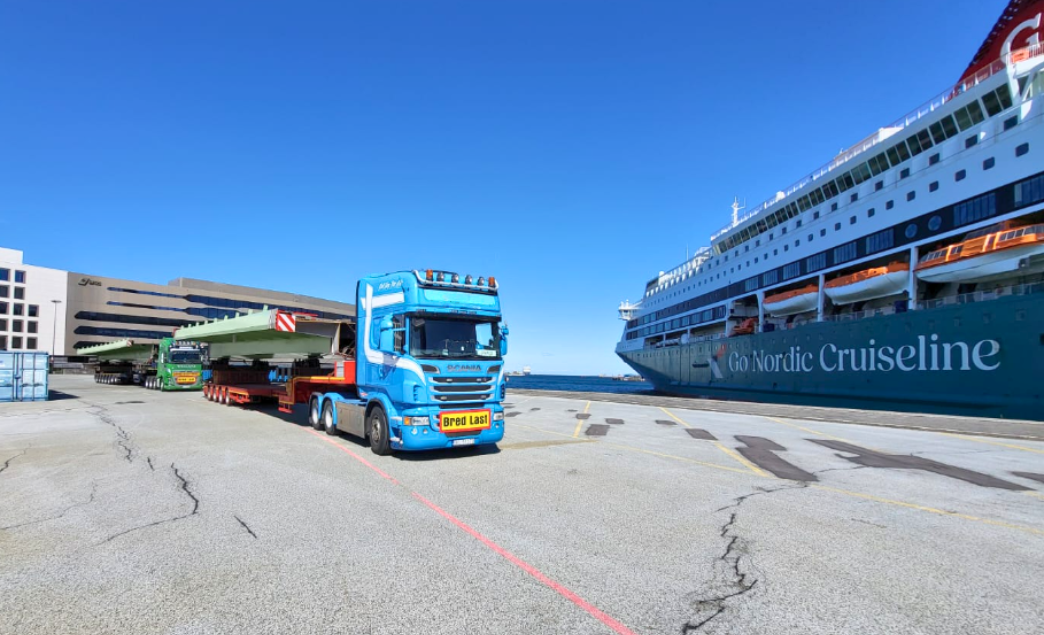
Visline Special Operation: How Do You Fit a 200-Meter Bridge onto Trucks? [case study]
-

07 May 2026
International transport UK-EU-UK: A complete guide to procedures, systems, and documentation in 2026.